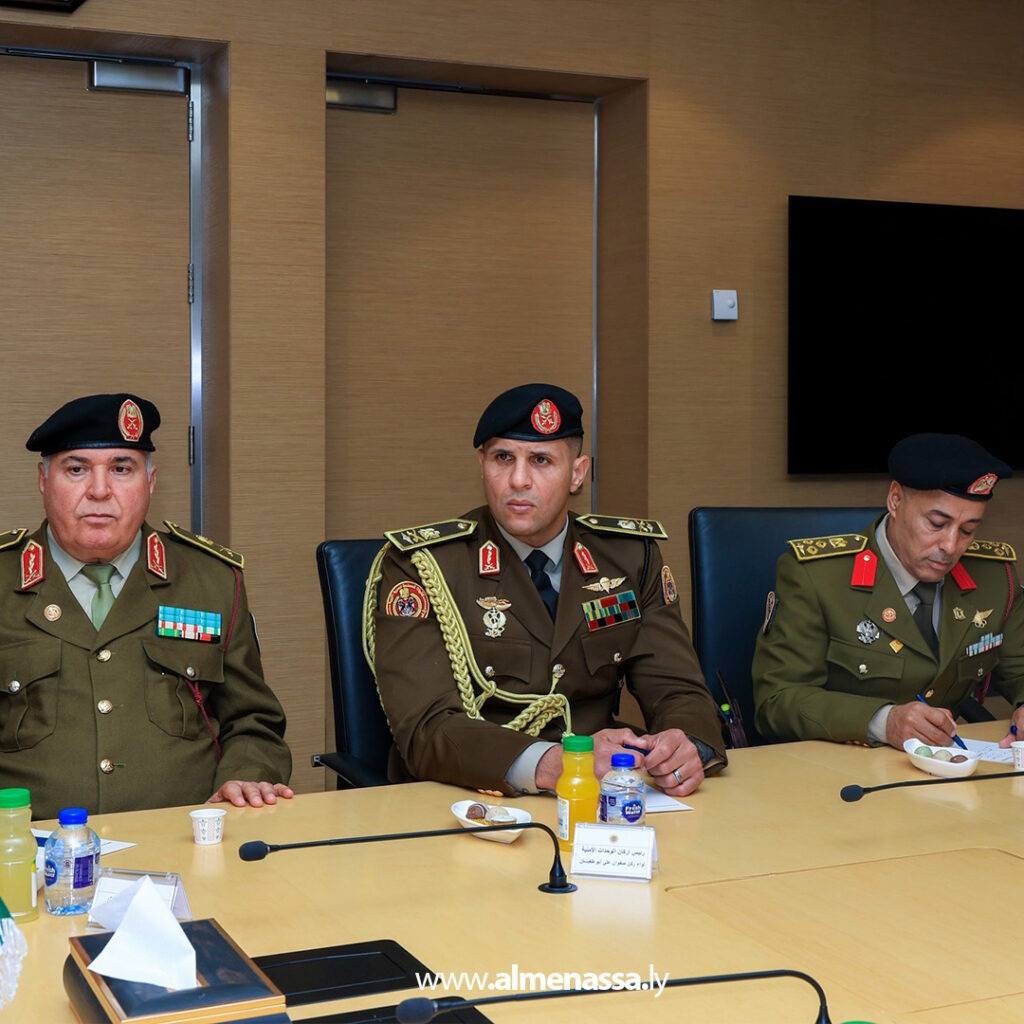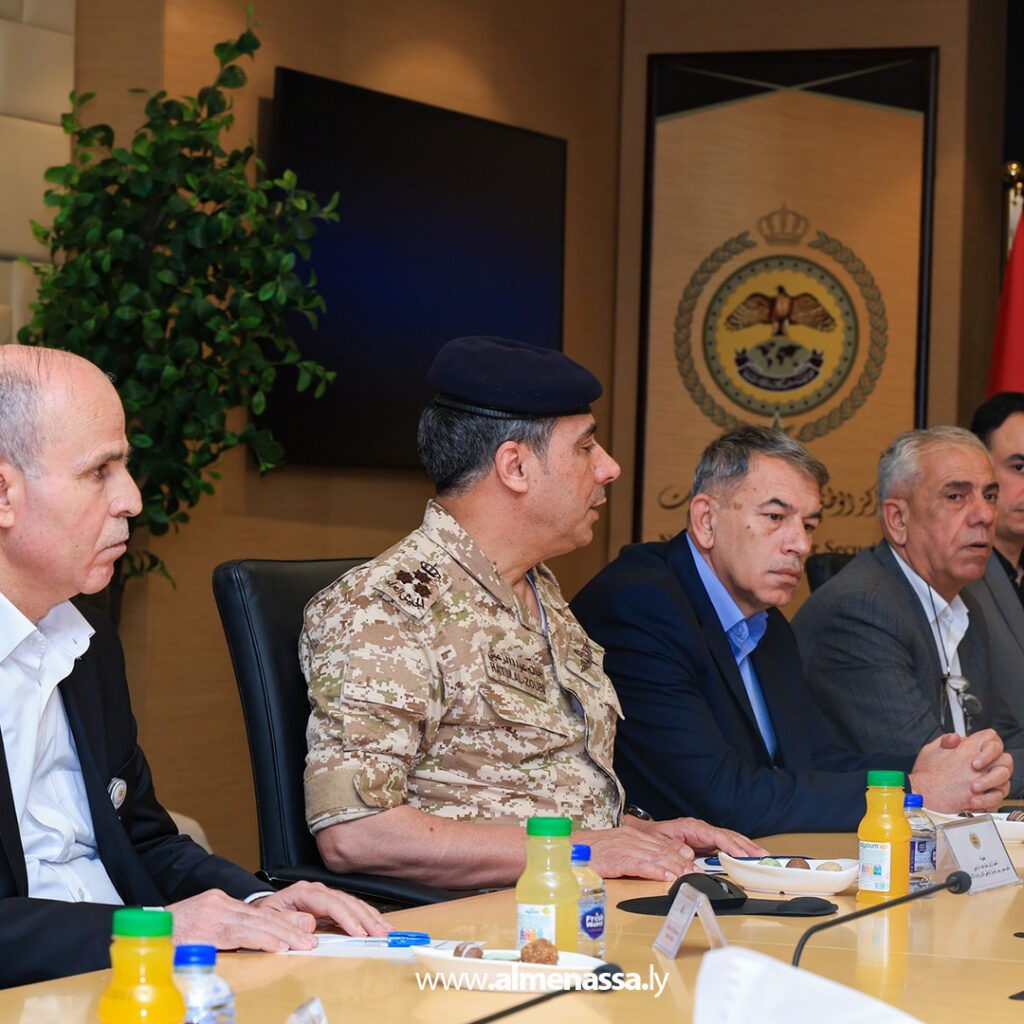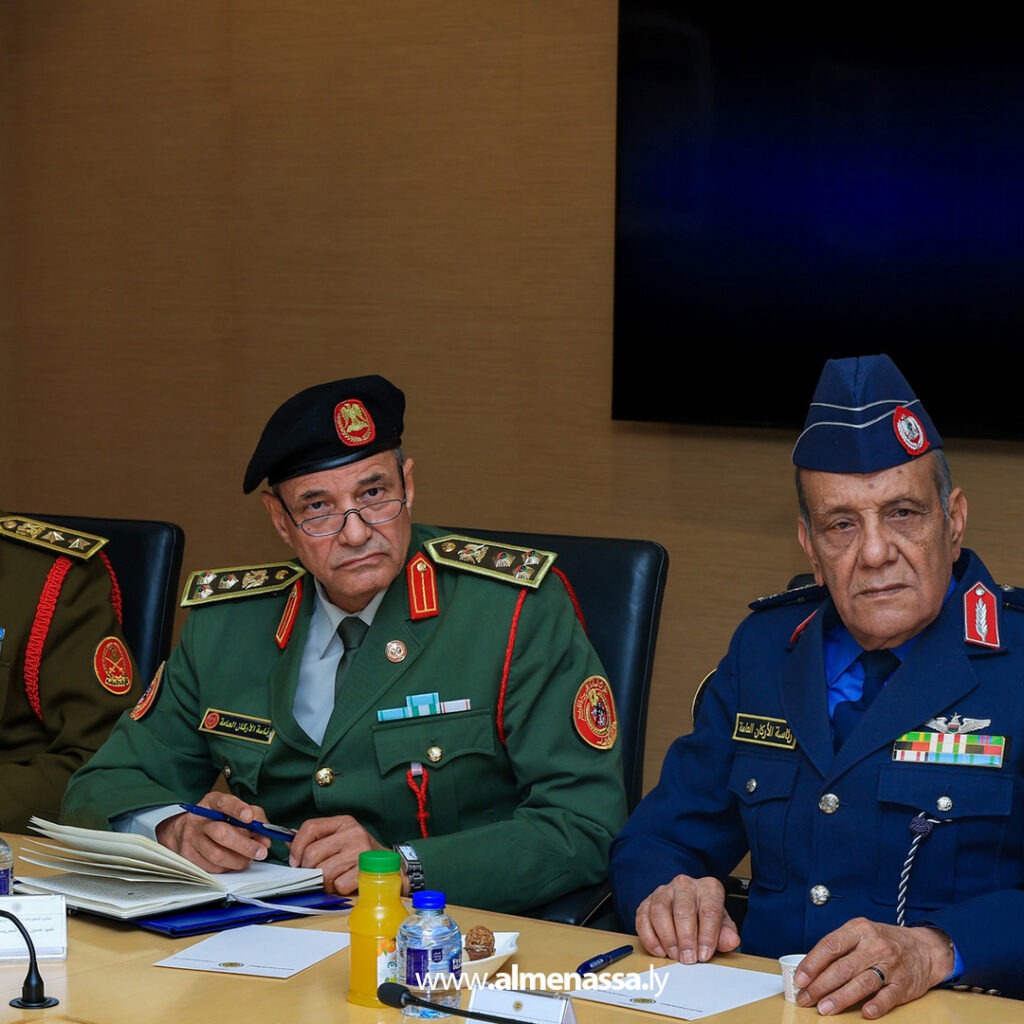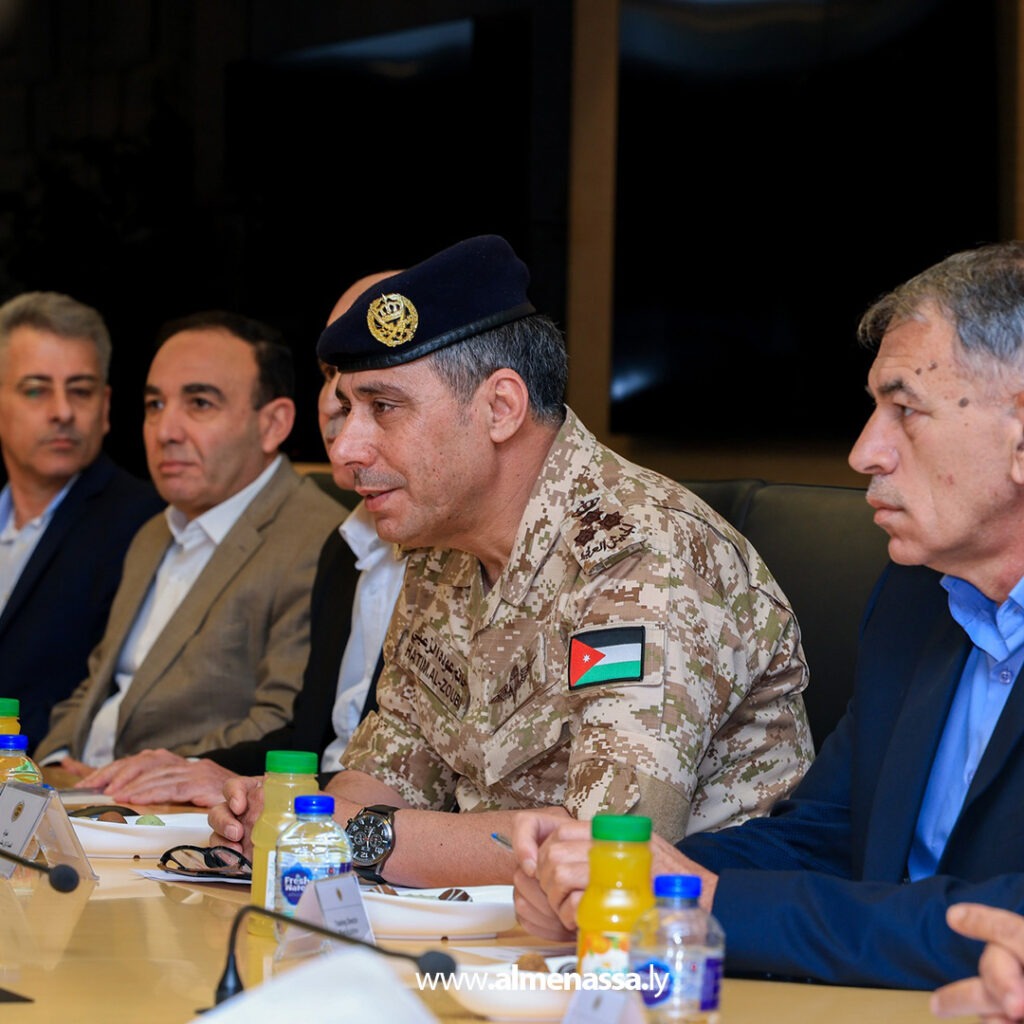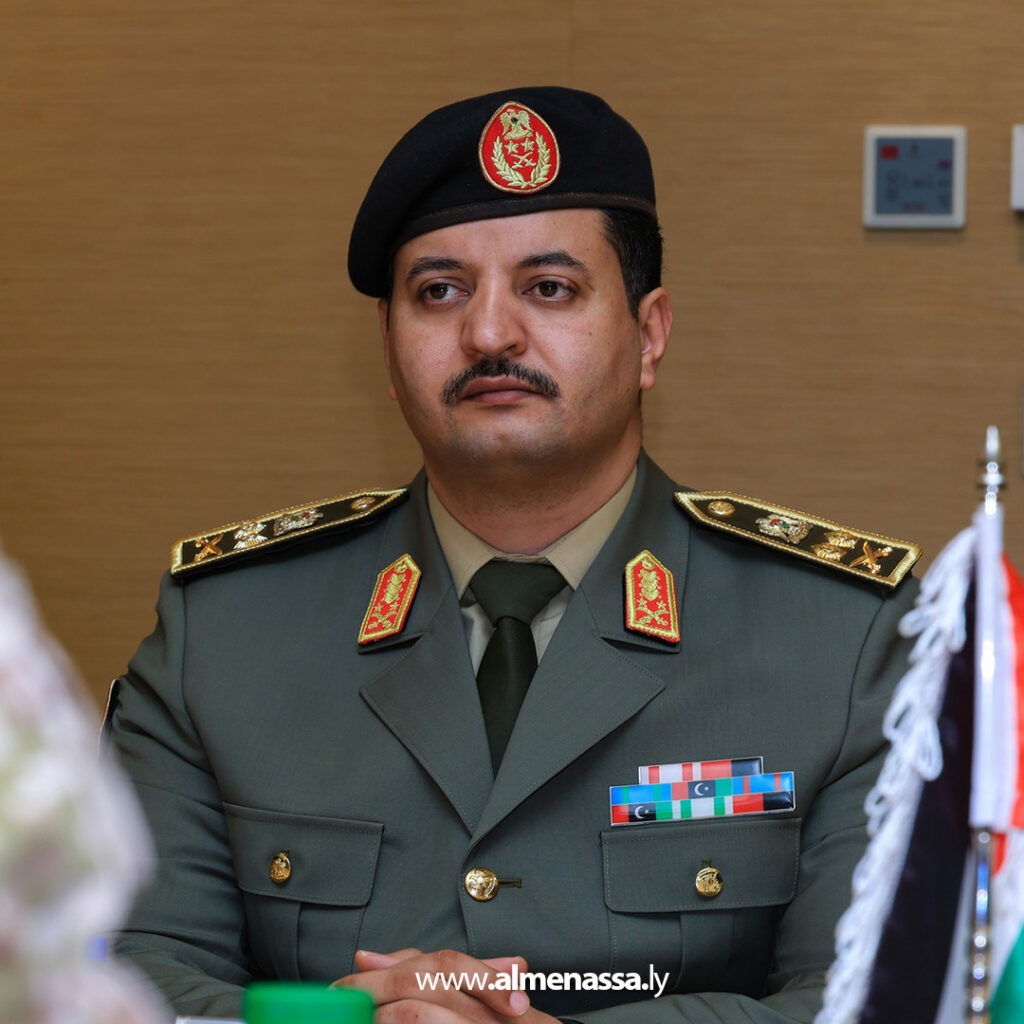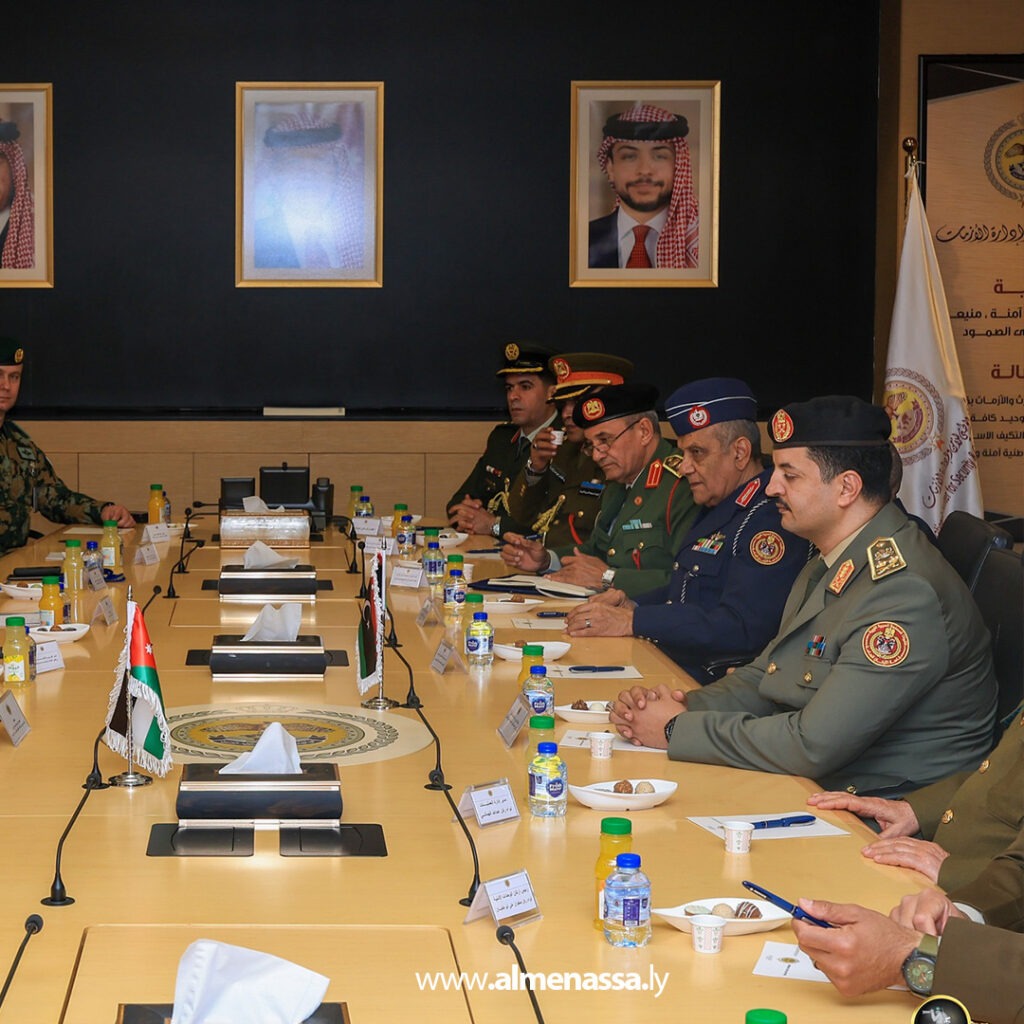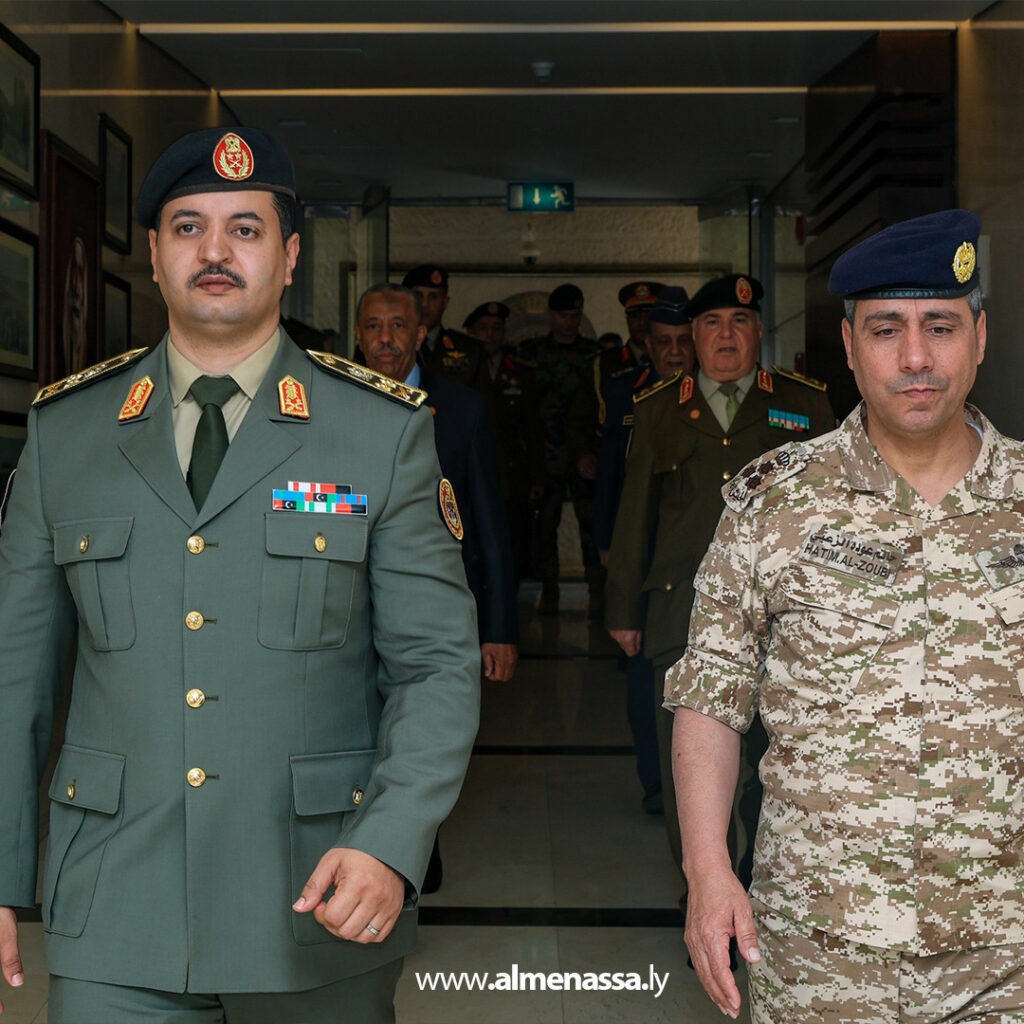
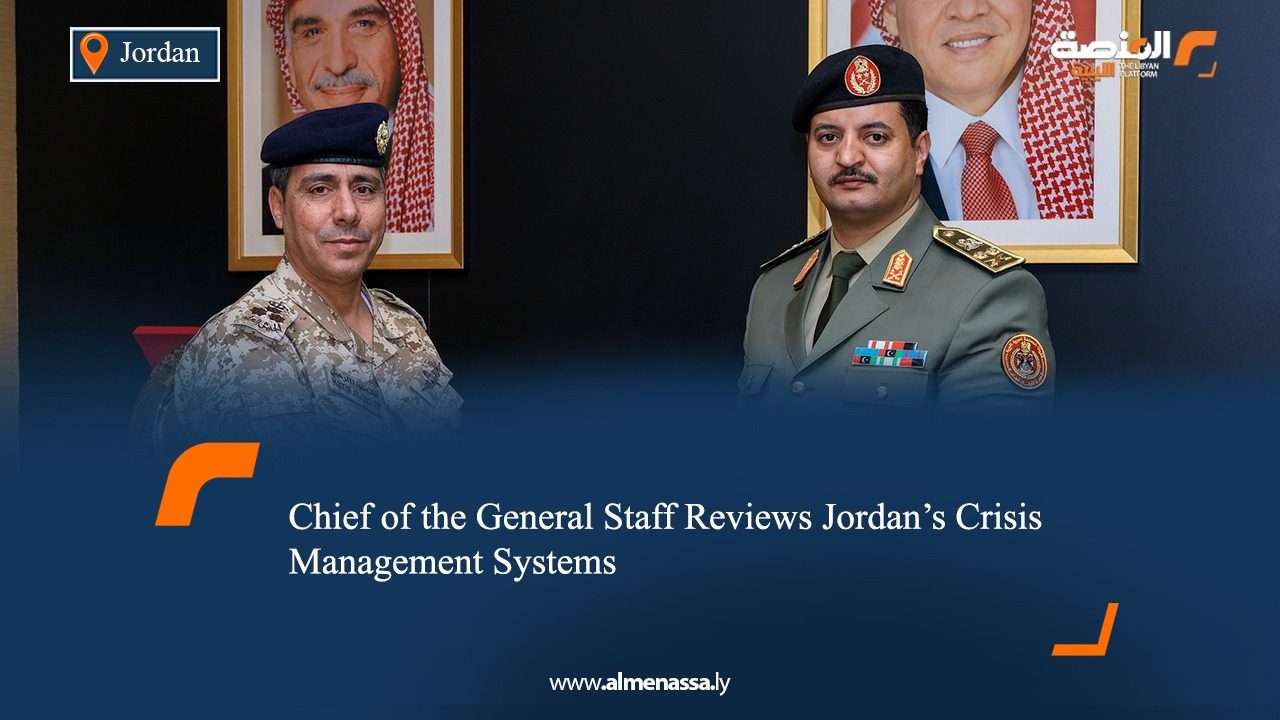
During his official visit to the Hashemite Kingdom of Jordan, the Chief of the General Staff of the Armed Forces, Colonel General Khaled Haftar, visited the National Centre for Security and Crisis Management (NCSCM) in Amman. Received by the Centre’s Vice President, Brigadier General Hatem al-Zoubi, the visit focused on exchanging expertise in strategic planning and crisis management to enhance the readiness of national institutions against potential threats.
The delegation was briefed on the Centre’s operational framework, including early warning systems and strategic decision-making protocols. The presentation detailed the coordination mechanisms between governmental and security agencies during emergencies, ranging from natural disasters to security and health crises. Colonel General Khaled Haftar also examined the advanced technological infrastructure utilized for data analysis and monitoring to support leadership at both strategic and operational levels.
Commending the Centre’s professional and technical sophistication, the Chief of the General Staff emphasized the importance of utilizing Jordan’s expertise to develop Libyan crisis response mechanisms. He noted that specialized crisis management institutions are vital components of national security, ensuring a rapid response to rapid global developments. This visit underscores the commitment to strengthening national preparedness and protecting infrastructure through informed, data-driven emergency management strategies.
Colonel General Khaled Haftar expressed his profound appreciation for the sophisticated operational standards at the National Centre for Security and Crisis Management. He emphasized that the establishment of specialized crisis management institutions is a fundamental pillar for national stability, particularly given the escalating global challenges spanning security, public health, and environmental domains.
Furthermore, the Chief of the General Staff noted that Jordan’s experience provides a practical benchmark for advancing the capabilities of Libyan institutions dedicated to emergency response. By integrating these proven techniques, he aims to elevate the efficiency and speed of Libya’s national response mechanisms. This collaborative outlook seeks to ensure a higher level of institutional readiness, enabling a swift and decisive handling of unforeseen events to safeguard the country’s security and interests.
The two parties discussed establishing specialized crisis centres to enhance national preparedness and cushion the social, economic, and infrastructural sectors from the adverse effects of emergency events.
This visit reflects a mutual commitment to strengthening military and security ties, particularly in strategic planning and emergency management. Such engagements serve as a crucial opportunity to adopt successful regional models, directly contributing to the advancement of institutional performance in Libya. Looking ahead, both sides emphasized the need for sustained communication to implement future frameworks for capacity building and specialized training. This includes leveraging modern analytical technologies and early warning systems to bolster resilience against various contemporary threats.
Strategic Security Conference in Benghazi: Joint Efforts to Counter Transboundary Threats
Libya’s Deputy Commander-in-Chief meets Jordan’s military chief in Amman