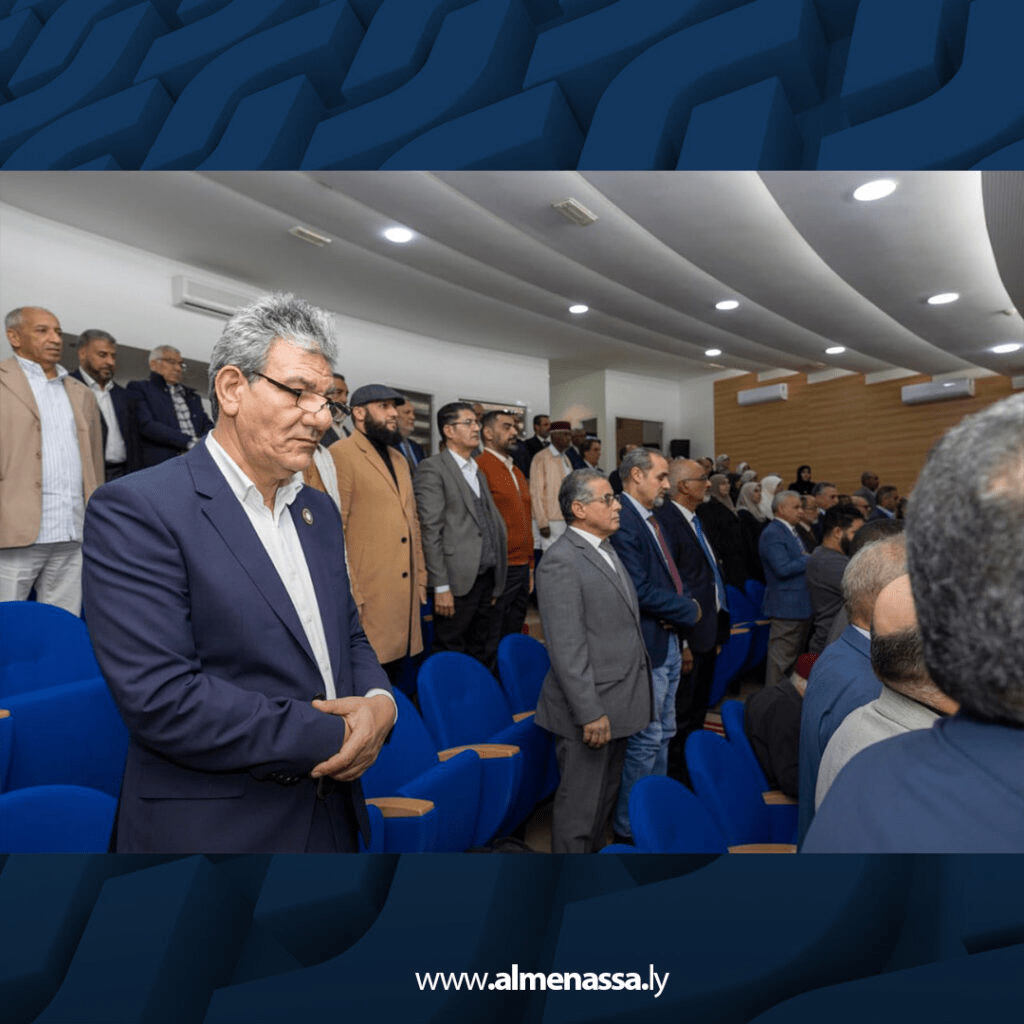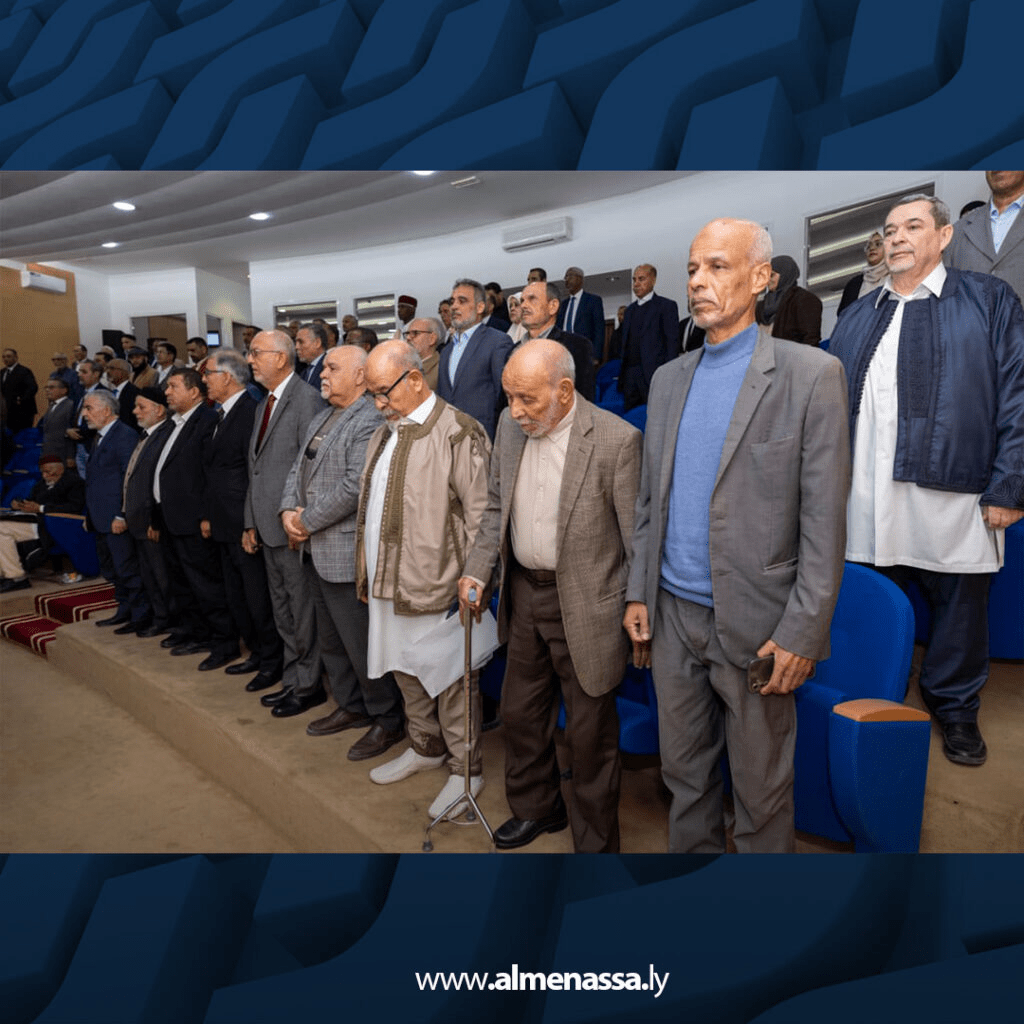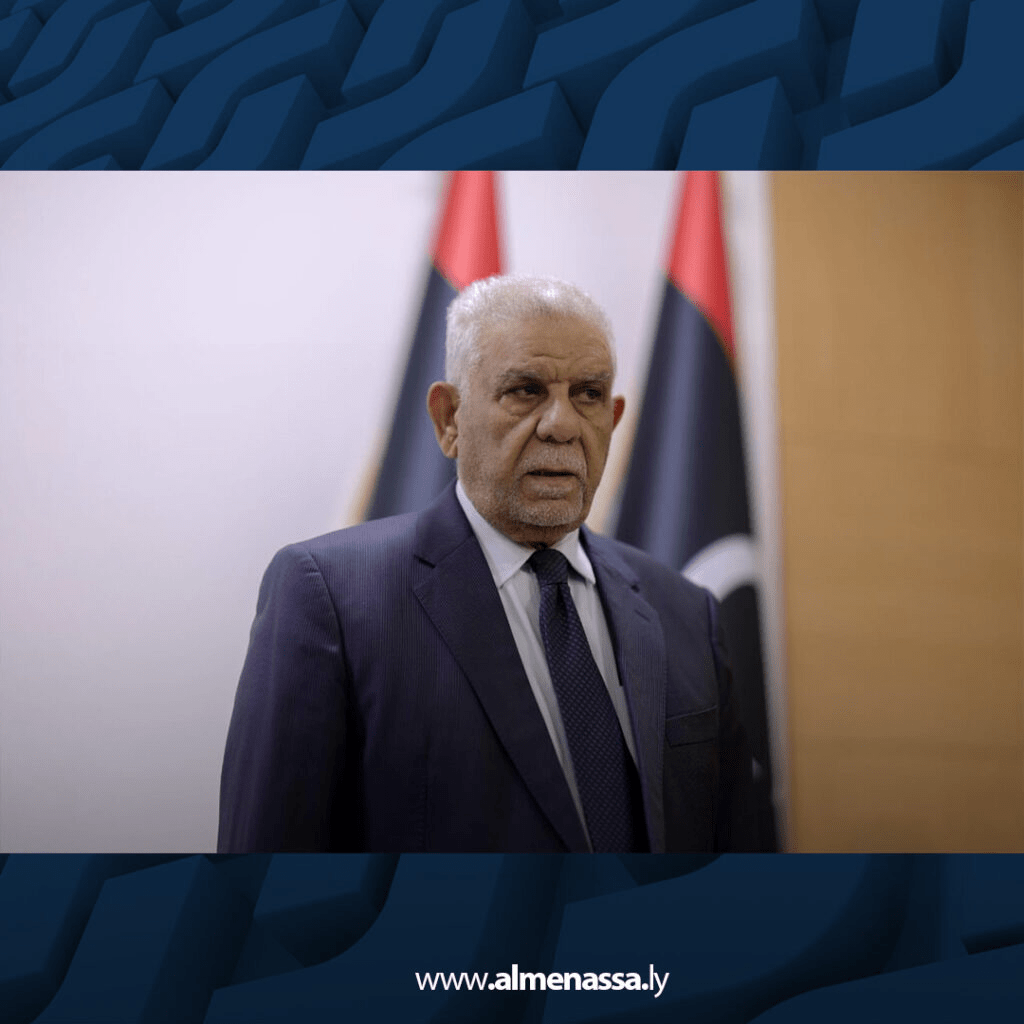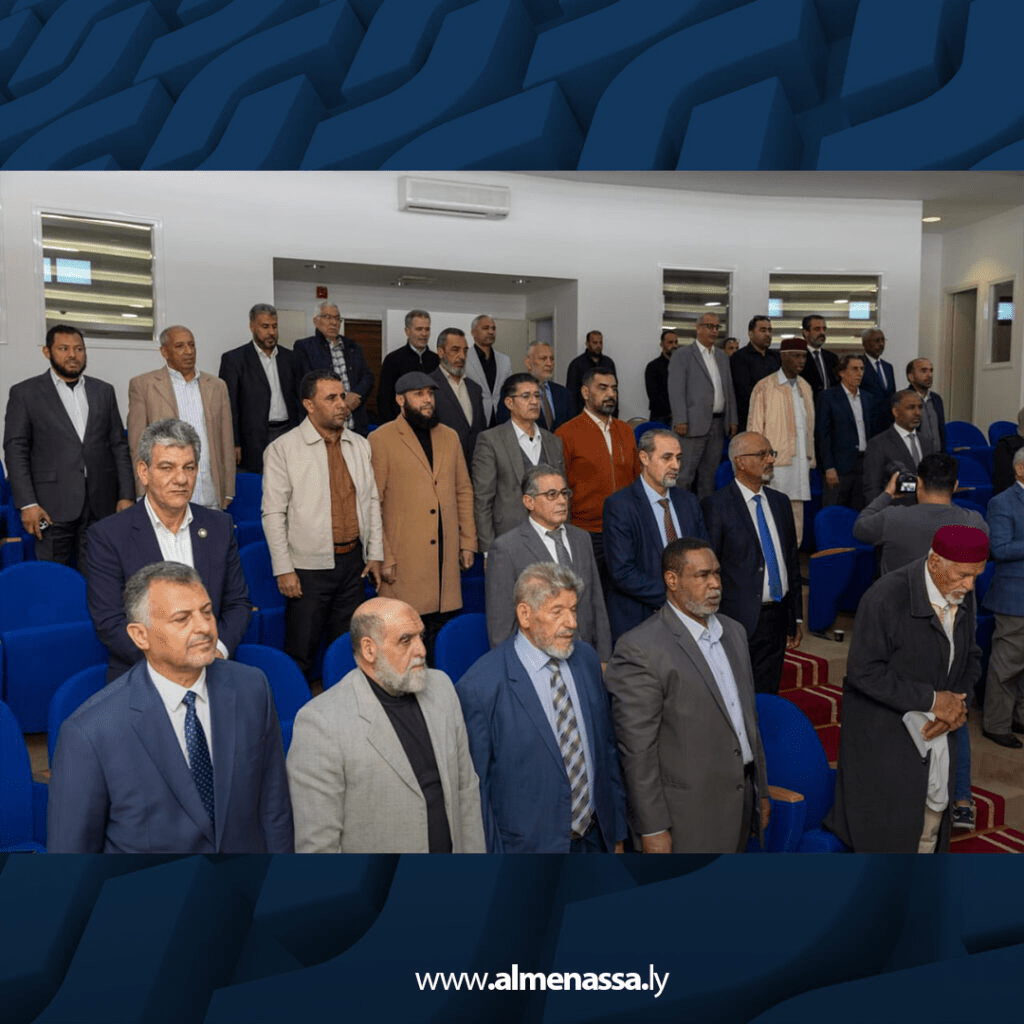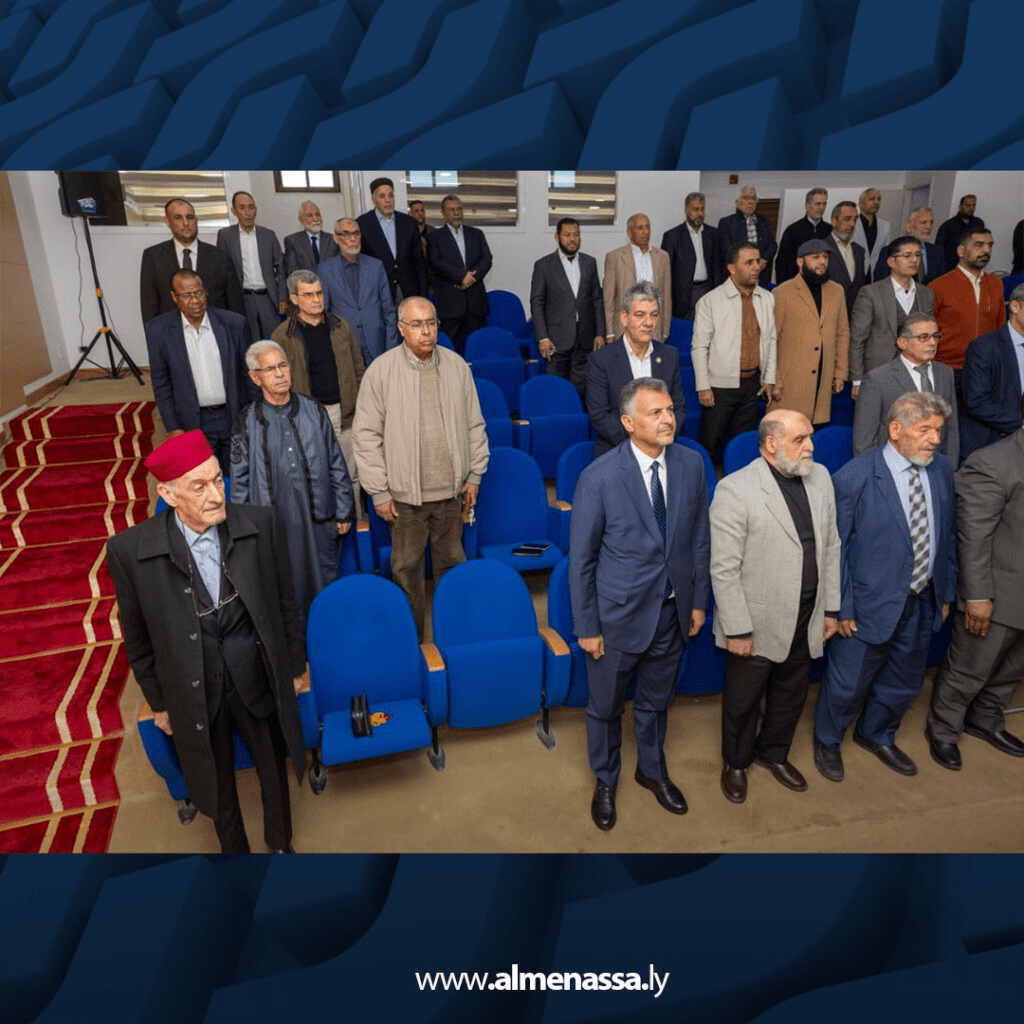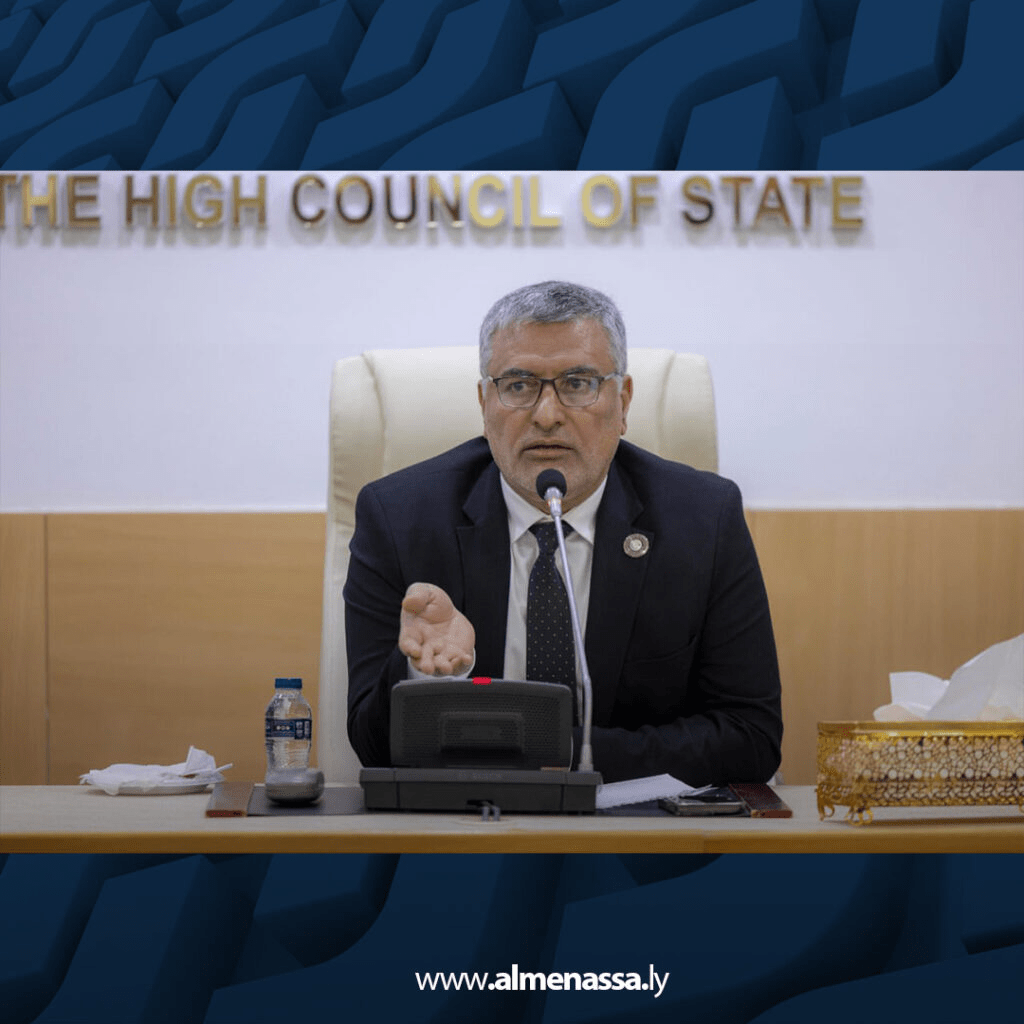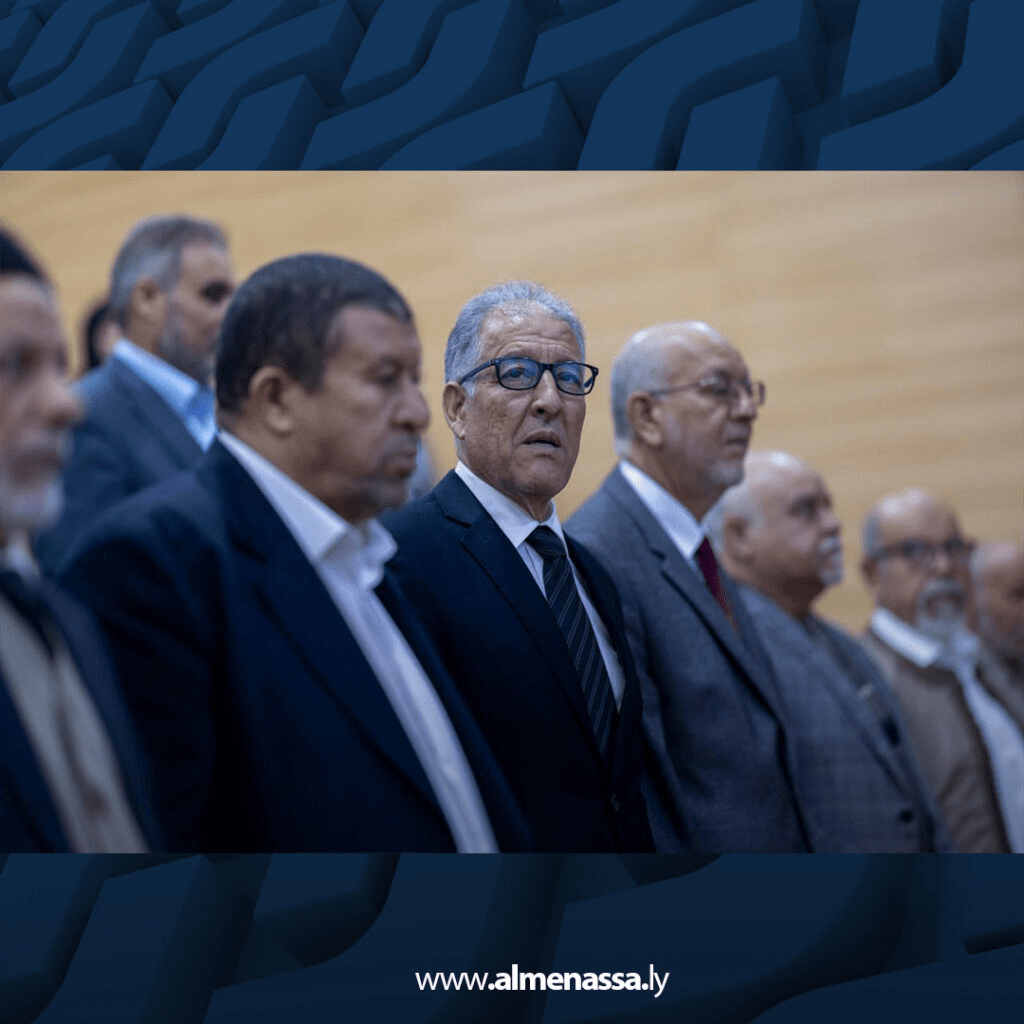
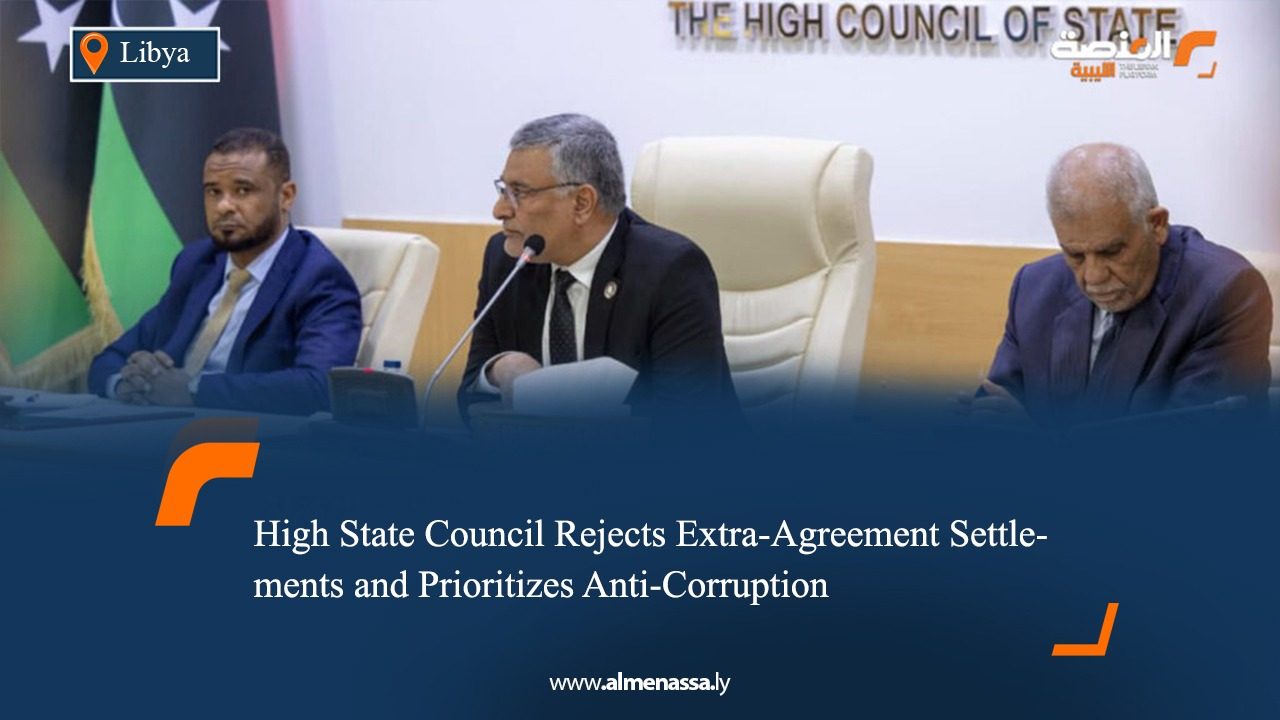
On Monday, April 6, the High State Council held its 116th plenary session at its Tripoli headquarters, chaired by Dr. Mohamed Takala and attended by the council’s leadership and members. The session focused on addressing critical political, economic, and oversight matters to preserve institutional memory and maintain rigorous supervision over vital sectors.
Opposition to Unofficial Political and Economic Settlements
The session opened with a review of the political landscape and efforts to advance toward national elections. Members expressed deep concern regarding parallel tracks that attempt to impose settlements outside formal consensus frameworks, viewing them as a threat to national security and stability. Consequently, the Council unanimously voted to issue a resolution rejecting any political or economic settlements conducted outside the Libyan Political Agreement. It further clarified that any representation of the Council in such dealings is considered null and void without official authorization.
Focusing on Anti-Corruption and Administrative Accountability
The Council dedicated a significant portion of the session to the economic situation, specifically the prevalence of financial and administrative corruption within state institutions. Members identified this issue as a top priority, as it is a primary driver of economic decline and public hardship. The Council reaffirmed its commitment to monitoring the performance of ministries and agencies through specialized committees, documenting violations, and referring them for legal prosecution to ensure systematic reform and accountability for those involved.
Specialized Committees and Vital Portfolios
The Council highlighted the role of its specialized committees in overseeing sensitive sectors to ensure transparency, including:
Oil Sector Committee: To monitor administrative and financial irregularities.
A committee overseeing The Central Bank of Libya to ensure transparency in banking operations.
General Electricity Company Committee addresses operational issues and potential abuses.
Ministry of Education Committee: Focusing on the school textbook crisis and administrative integrity.
These committees serve as the foundation for institutional continuity and the methodical tracking of strategic files, aiming to protect state interests, improve institutional performance, and uphold the legal rights of citizens
Salah al-Kamishi appointed head of NHEC by the High Council of State