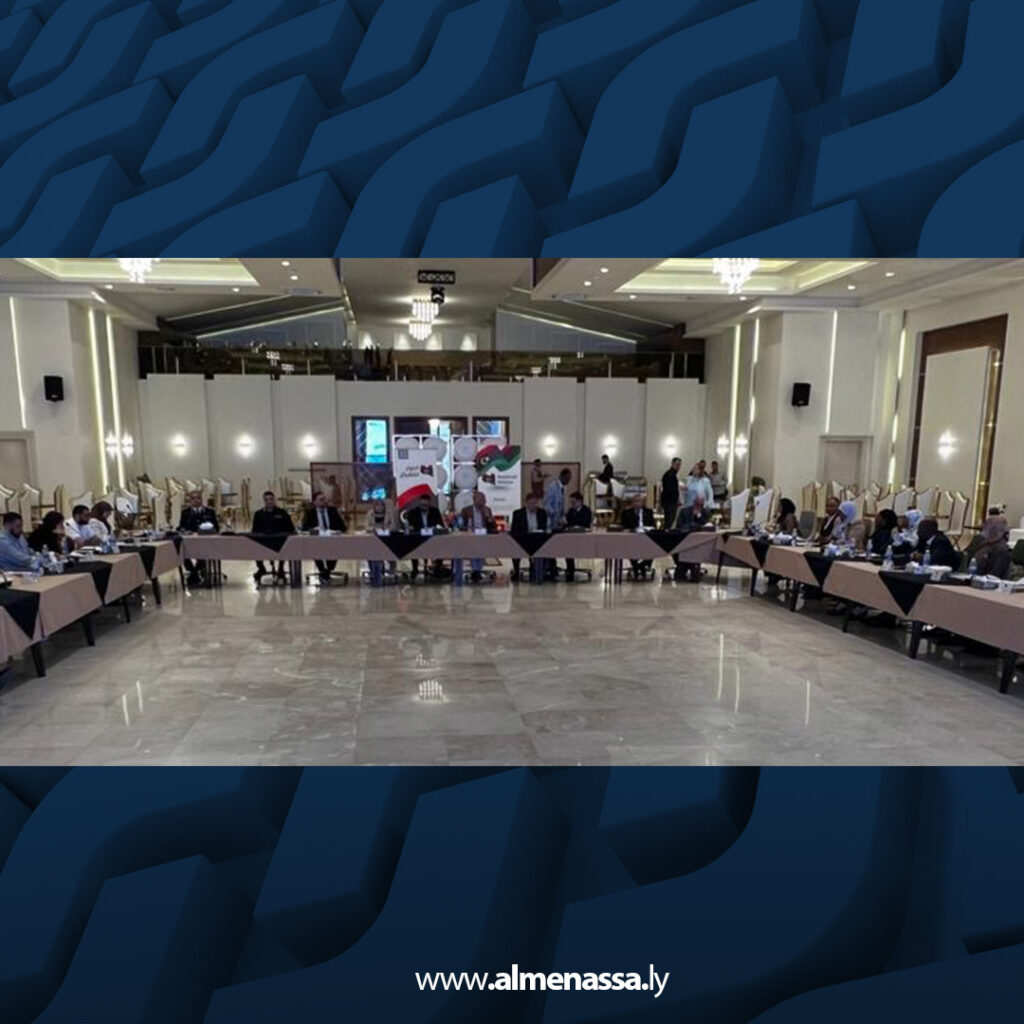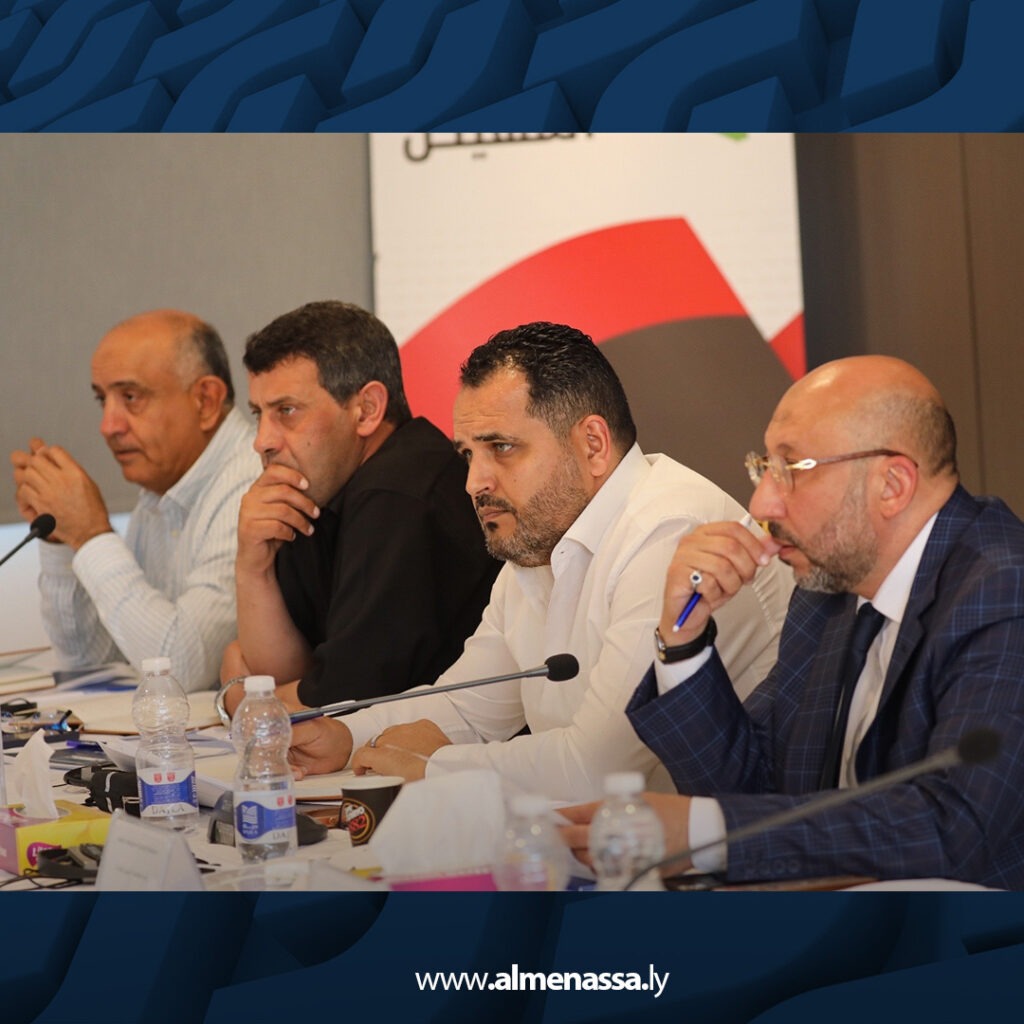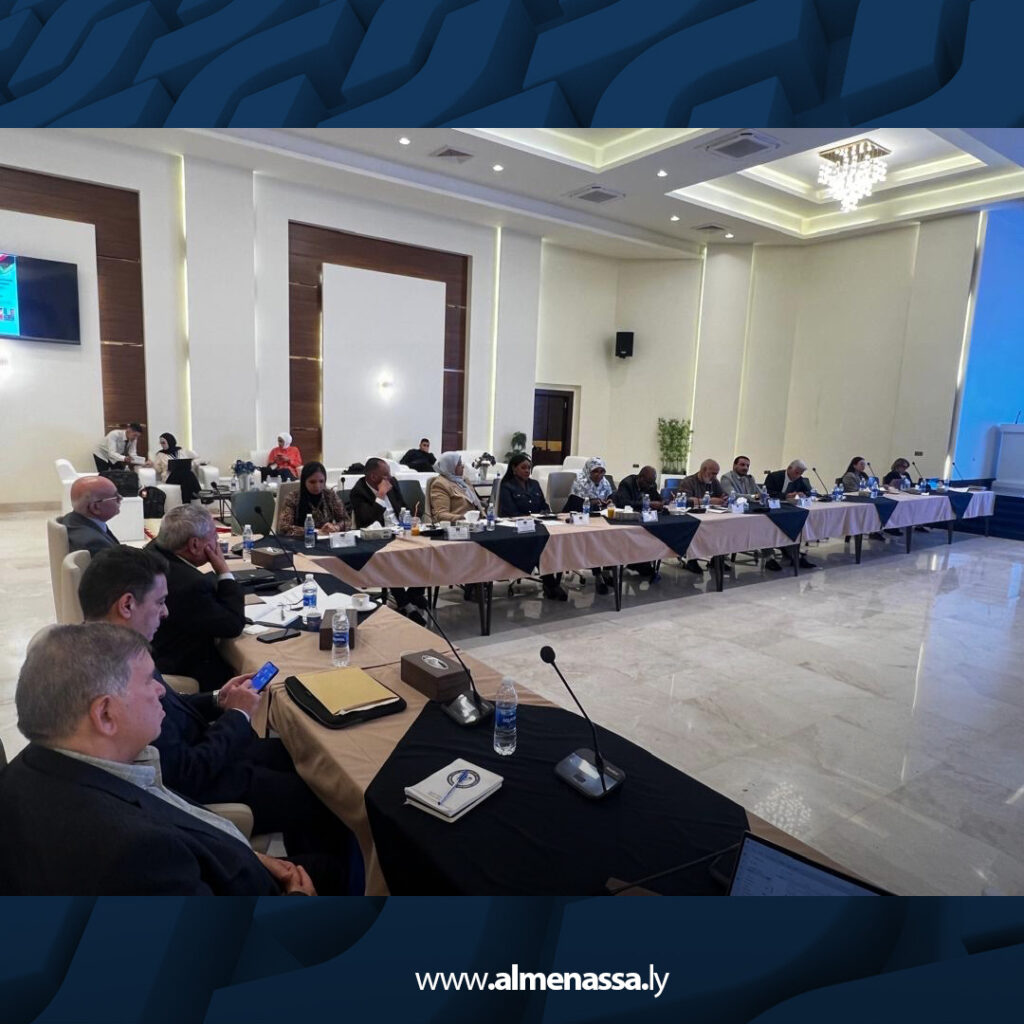
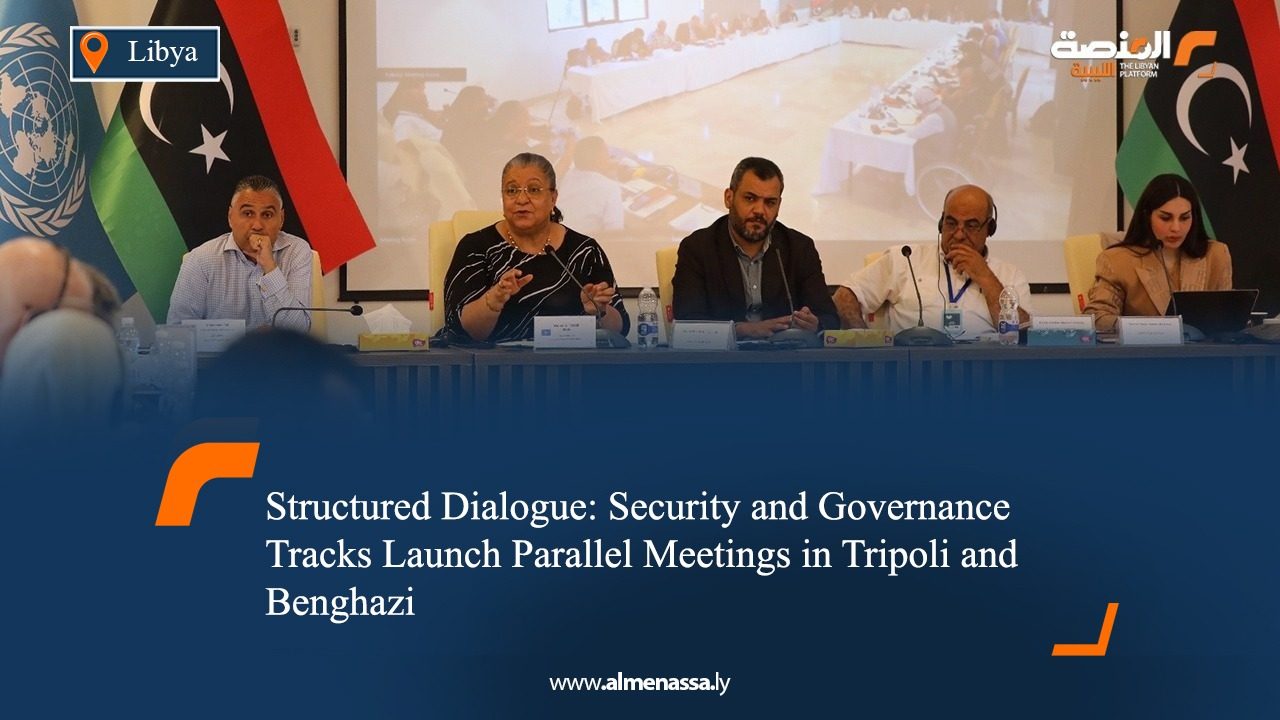
Parallel sessions for the Security and Governance tracks have commenced in Tripoli and Benghazi, marking a new phase of the Structured Dialogue facilitated by the United Nations Support Mission in Libya (UNSMIL). These meetings are part of ongoing international efforts to bolster the Libyan political process through specialized technical tracks, emphasizing a balanced approach that treats security reform and governance development as interdependent pillars of national stability. By advancing these tracks in tandem, the process allows for multi-angled problem-solving and the creation of a holistic vision for a transition. The sessions aim to produce actionable recommendations that will integrate into the broader political framework, providing critical momentum for a sustainable settlement and addressing long-standing administrative and security challenges.
Military Unification and Enhancing Security Command Structures
Over the next four days, participants in the security track will focus on the unification of Libya’s military and security institutions, addressing complex legal, operational, and political challenges. The discussions aim to identify key priorities for building a cohesive security system capable of managing current threats and ensuring long-term stability nationwide. A central component of these talks involves establishing confidence-building measures between various parties, viewed as a fundamental prerequisite for security sector reform. Furthermore, the sessions will evaluate lessons learned from previous international initiatives to refine command structures and improve coordination mechanisms among security bodies, seeking to leverage past experiences to build a robust and professional national security apparatus.
Women’s Inclusion in the Security Sector and Reintegration Strategies
The security track’s agenda includes critical discussions on the reintegration of former personnel and the alignment of human resources within security institutions to meet modern standards. A significant portion of the dialogue is dedicated to the role of women in fostering a comprehensive security framework. By emphasizing their participation across all operational and leadership levels, the sessions aim to ensure that the security sector reflects social diversity and benefits from inclusive professional contributions, ultimately strengthening the resilience of the security apparatus.
Addressing Constitutional Constraints and Strengthening Governance Frameworks
Participants in the governance track are focusing on resolving key constitutional and executive bottlenecks while addressing issues related to local administration. This track aims to tackle the challenges hindering government institutions by proposing practical, applicable solutions to improve administrative performance and reform public management structures. Efforts are currently underway to finalize a set of recommendations for the Structured Dialogue’s final report, which will subsequently be integrated into the broader political process to support state-building and institutional efficiency. Throughout this process, the United Nations Support Mission in Libya (UNSMIL) continues its facilitating role, providing the necessary technical framework to ensure inclusive participation and foster long-term political and security stability.
UNSMIL: Security and Economic Tracks Persist within Structured Dialogue
Khoury Outlines Dialogue Tracks: Security, Economy, Reconciliation, and Governance
UN-led ‘Structured Dialogue’ in Libya Sparks Political Controversy: A New Path in the UN Roadmap Meets Support and Strong Reservations